Health and Safety Policy for Catford Removals
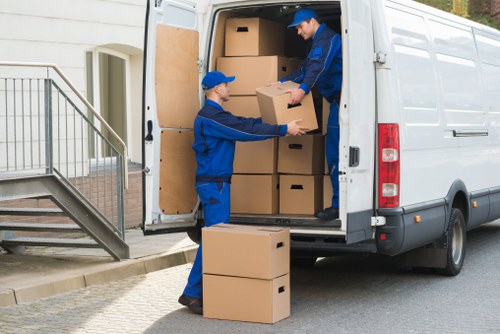 At Catford Removals, health and safety is treated as a core responsibility that supports every stage of our work. Our approach to removals safety is designed to protect employees, clients, visitors, and any other person who may be affected by our activities. We believe that a well-managed moving service depends on careful planning, safe equipment, and consistent attention to risk prevention.
We recognise that each removal task brings different hazards, from handling heavy furniture to working in confined spaces, stairways, and busy access points. For that reason, our removals health and safety policy is built around practical control measures, clear communication, and shared accountability. Every team member is expected to work in a way that reduces the chance of injury, property damage, or avoidable disruption.
Our commitment also includes maintaining a working environment that supports safe lifting, sensible vehicle use, and responsible handling of goods. We aim to make safety part of the daily routine rather than a separate consideration, because the most effective protection comes from consistent habits, not occasional action.
We operate a structured risk assessment process before and during each job. This helps us identify hazards such as unstable items, poor lighting, slippery surfaces, restricted access, or awkward load weights. Once risks are identified, appropriate control steps are put in place, which may include additional staffing, protective materials, route planning, or temporary adjustments to the work method.
Training is an essential part of our safety culture. Team members are instructed in safe manual handling, correct use of moving equipment, secure packing methods, and appropriate behaviour in customer premises. We also expect staff to remain alert to fatigue, poor posture, and unsafe shortcuts, since these can quickly increase the chance of incidents during a move.
 Where equipment is used, it must be suitable for the task and kept in good working order. Trolleys, straps, blankets, ramps, and other moving aids are checked regularly to ensure they remain reliable and safe. Any defective item is removed from service until it has been inspected and, if necessary, repaired or replaced. This approach supports moving company safety by reducing operational risk and improving efficiency.
The health and safety responsibilities of the business extend beyond equipment and training. Managers and supervisors must lead by example, monitor working practices, and respond promptly to concerns. Employees are expected to follow instructions, use personal protective equipment when required, and report hazards, near misses, or injuries without delay. In this way, safety becomes a shared standard rather than an individual preference.
We place strong emphasis on communication with clients before and during each removal. Clear information about access conditions, fragile items, parking restrictions, and special handling needs helps prevent unnecessary hazards. When customers are aware of the process and timing, the work can be carried out more safely and with less stress for everyone involved.
Our policy also covers vehicle safety. Removal vehicles must be loaded carefully to maintain stability, secure items against movement, and avoid overloading. Drivers are expected to conduct routine checks, keep vehicles roadworthy, and drive with due regard for weather, traffic, and pedestrian safety. Safe transport is a vital part of Catford removals operations because it protects both the load and the people around it.
The management of manual handling is one of the most important areas of our policy. We aim to reduce unnecessary lifting by using teamwork, mechanical aids, and sensible preparation. Items that are too heavy, awkward, or fragile are assessed individually so that the safest method can be chosen. Staff are reminded that moving slowly and correctly is better than rushing and risking injury.
To support well-being, we also monitor working conditions such as long shifts, repetitive tasks, and exposure to stress. The nature of house move safety means that jobs can be physically demanding, so breaks, hydration, and realistic scheduling are encouraged wherever possible. A fit and alert team is more likely to work carefully and maintain a high standard throughout the day.
 Accidents, incidents, and near misses are recorded and reviewed so that lessons can be learned. We use this information to improve our controls, update procedures, and prevent recurrence. In addition, any serious event is investigated promptly to determine its causes and identify further measures that may be needed. This continuous improvement process strengthens our removal safety standards over time.
We expect all workers to act with courtesy and professionalism in clients’ homes and business premises. Respectful conduct supports safety by reducing confusion, avoiding conflict, and ensuring that instructions are heard and followed. Safe operations depend not only on physical precautions, but also on calm, organised behaviour and good judgement.
Where specialist items are involved, such as pianos, antiques, or delicate electronics, additional precautions are taken. This may include custom packing, extra padding, specialist carrying methods, or a revised route. Attention to detail in these situations is part of our wider removals safety policy and reflects our commitment to protecting property as well as people.
Supervision is used to make sure standards remain consistent across all jobs. Managers may review packing methods, observe lifting techniques, and confirm that required checks have been completed. If unsafe behaviour is identified, corrective action will be taken in a constructive and proportionate manner, with the aim of improving performance and reinforcing good practice.
 We also understand the importance of emergency readiness. Staff should know how to respond to fire, injury, vehicle issues, or other urgent events, and they should follow the relevant procedures without hesitation. Keeping exits clear, maintaining access to first aid supplies, and ensuring prompt communication are all part of this preparedness.
Any member of the team who notices a hazard has a duty to act responsibly by reporting it and, where appropriate, taking immediate steps to reduce the danger. This could mean stopping a task, isolating damaged equipment, or warning others about a temporary risk. A proactive attitude helps maintain a safer environment for everyone connected with Catford Removals.
We view health and safety as a living policy that must remain relevant to the way we work. As our services, equipment, or work methods change, we will review and improve our approach accordingly. The goal is to make every move as safe, organised, and efficient as possible while meeting the expectations of those who rely on our service.
Our policy is supported by ongoing review, regular training, and management oversight. By keeping safety central to planning and execution, we can reduce risk and maintain a professional standard across every assignment.
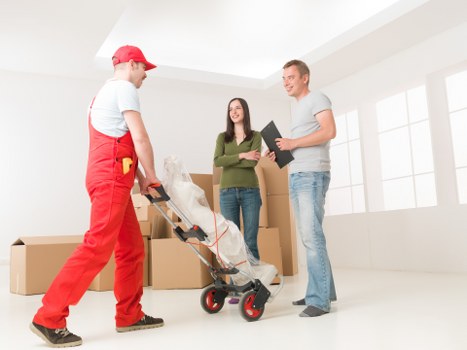 In conclusion, Catford Removals is committed to protecting people, property, and the quality of service through a clear and practical health and safety framework. We believe that careful preparation, strong communication, and disciplined working methods are the foundations of safe, reliable removals.
Health and safety is not simply a requirement; it is a shared value that shapes how we work every day.